
Rolling Papers vs. Blunt Wraps
When you roll your own tobacco or cannabis, it gives you a customizable smoking experience. As the user, you control your paper, and you decide on the type and amount of product to use. Many people love pre-rolled tubes; however, there is absolutely nothing quite like rolling your own. It can be overwhelming to decide whether to use rolling paper or a rolling wrap (hemp wrap), especially if it’s your first time trying to roll. All have different characteristics: the taste, burn, smoke quality, and the way you roll them. Some smokers prefer using papers, while others dedicate themselves to using rolling wraps. This article will discuss in detail about Rolling Papers vs. Blunt Wraps that you need to know before buying one!
What Are Rolling Papers?
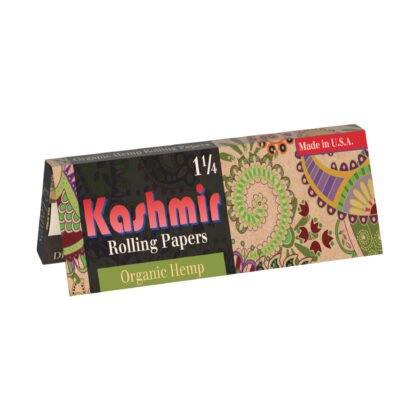
Papers are a thin sheet of paper that you can use to manually roll your own cigarettes/joints. Most rolling papers are tasteless, although some manufacturers can add flavors and chemical additives to their papers, enhancing the smoking experience. Typically, rolling papers are thin but definitely strong enough to provide support for your tobacco or your finely ground cannabis during the entire rolling process.
People overlook the quality and thickness of their smoking paper, but these factors will determine how well your roll will smoke and burn. For a beginner, you should get a thicker rolling paper, especially when you’re just learning how to roll. Heavier papers will not rip when rolling and they burn more slowly than thinner papers.
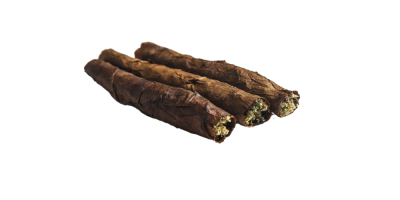
What Are Hemp Wraps?
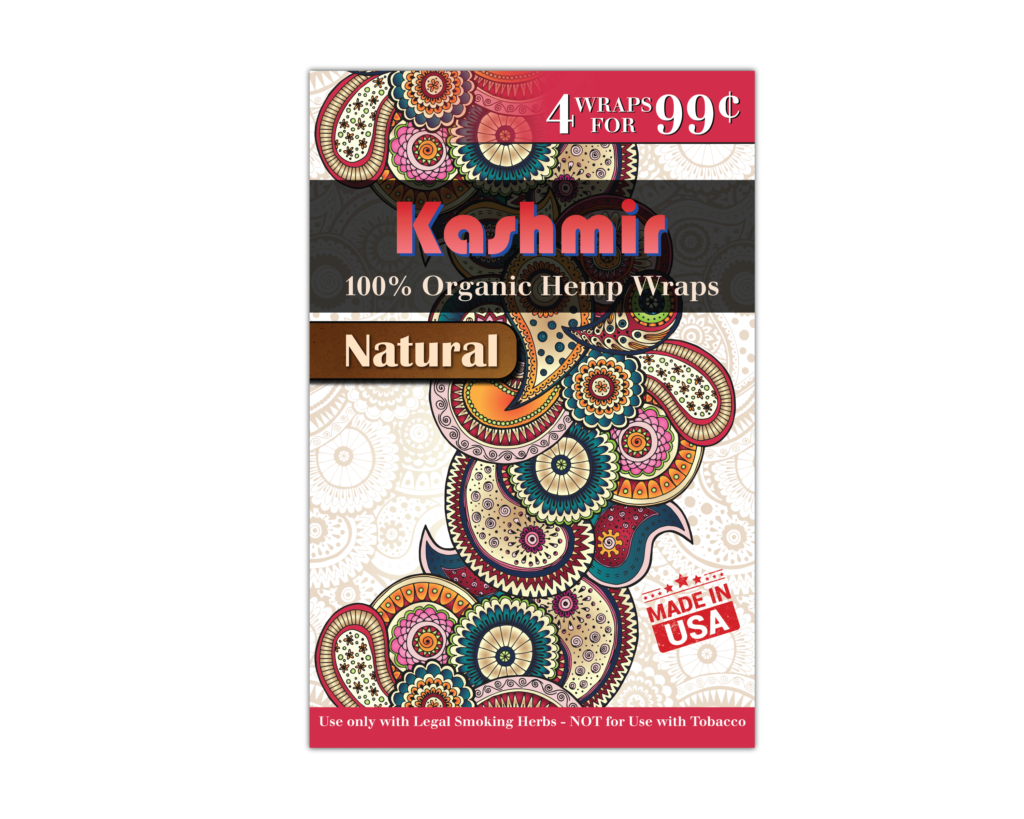
A wrap…also known as a cigar, blunt, or hemp wrap…is a type of material that can hold either cannabis or tobacco together much like a cigar. In simple words, wraps are an imitation of a real cigar. Various Kashmir hemp wraps come prepared with tobacco inside… commonly known as cigarillos. Companies that make these are: “White Owls”, “Swisher Sweets”, “Backwoods”, “Dutch Masters” and “Good Times.” These particular wraps can come in various flavors all the way from menthols to fruity flavors to custards. Individual users explore the flavored wraps because it supersedes the taste of cannabis or tobacco. Others, on the other hand, enjoy natural and organic wraps because it gives users the true flavor of their cannabis or tobacco.
At times, users who have been rolling for a long time like to expand the potency of their product, mainly cannabis, by adding wax to the outer layer of the roll. Check it out…this little trick is called a twax blunt. Remember, if you are a new to the art of rolling…you might want to hold off on this trick for now. Shape, size and color of a rolling wrap varies among brands. Generally, these wraps, just like real cigars, are measured by their length (in inches) and ring gauge (1/64th of an inch). Color of these wraps largely depends on the aging process of the tobacco leaves. Fresh tobacco leaf is naturally green color. As it gets old and dries, it change the color similar to caramel, and then chocolate brown. Multitude of these wraps are typically around the brown color but some stay at the green spectrum. Wraps made from hemp come with a green hemp leaf wrapped around tobacco.
What Are The Main Differences Between Rolling Papers vs. Blunt Wraps?
Rolling Papers and Blunt Wraps are both used to roll and smoke cannabis, but they have some significant differences. Here are the main differences between blunt wraps and rolling papers:
Material
Blunt wraps are made from tobacco leaves, which give them a distinct flavor and aroma that can be appealing to some smokers. However, tobacco is also associated with health risks such as lung cancer, heart disease, and stroke. Rolling papers, on the other hand, are typically made from natural materials like hemp, flax, or rice, which are considered safer and more environmentally friendly. These materials are also biodegradable and do not contain harmful chemicals or additives.
Flavor
Blunt wraps have got a flavor with fruit or candy flavors to mask tobacco taste and enhance smoking experience. But flavored blunt wraps can be more harmful than unflavored due to added chemicals and flavorings that can cause respiratory problems. Rolling papers are typically unflavored, allowing the smoker to fully experience the flavor and aroma of cannabis with a neutral taste.
Size
Blunt wraps are usually larger than rolling papers and can hold more cannabis, making them a popular choice for group smoking sessions. Blunt wraps can range in size from a standard cigarillo to a large “blunt” that can hold several grams of cannabis. Rolling papers, on the other hand, come in a variety of sizes, from small “single” papers to large “king size” papers that can hold more cannabis.
Difficulty
Rolling papers are generally easier to use than blunt wraps, especially for beginners. Rolling papers are thinner and more pliable, making them easier to roll and less likely to unravel. Blunt wraps, on the other hand, are thicker and stiffer, which can make them more difficult to handle and roll. Blunt wraps also require more skill to roll evenly, as they can be more prone to cracking and splitting. However, with practice and experience, many smokers prefer the unique smoking experience that blunt wraps provide.
Final Words
In conclusion, Rolling Papers vs. Blunt Wraps both have several key differences that make them distinct from one another. While both are used for smoking cannabis, blunt wraps are made from tobacco leaves and often flavored, while rolling papers are typically made from natural materials like hemp or rice and have a neutral taste. Blunt wraps are also larger and hold more cannabis, but they can be more difficult to roll and contain nicotine, which is addictive and potentially harmful to health. Rolling papers, on the other hand, are generally considered a healthier option due to their natural composition and lack of nicotine. Ultimately, the choice between blunt wraps and rolling papers comes down to personal preference, but it’s important to be aware of their differences and potential health risks.
Get 10% Off on your First Order
-
Sale!
 Price range: $0.49 through $22.50
 -
Sale!
 Price range: $0.99 through $19.99
 -
Sale!
 Original price was: $1.00.$0.50Current price is: $0.50.
 -
Sale!
 Original price was: $1.20.$0.60Current price is: $0.60.