Myths About Rolling Papers That You Haven’t Heard
Myths About Rolling Papers: What’s Real and What’s Just Smoke?
Rolling papers look simple, but the myths around them are wild.
Some people swear brown papers are “healthier,” others think white papers are “cleaner,” and a surprising number still believe rolling papers have nicotine or get you high on their own.
If you’re choosing papers for cannabis (where legal), tobacco, or herbal blends, it helps to actually know what you’re putting in your lungs. This guide breaks down the most common myths about rolling papers, using current info from brands, labs, and health sources — and keeps it real about the risks of smoking in general.
Quick note: No rolling paper makes smoking “safe.” The best you can do is make smarter, more informed choices — or choose non-smoked options if health is your top priority.
General Myths About Rolling Papers
Myth #1: “All rolling papers are the same.”
Fact: They’re absolutely not.
Most rolling papers fall into a few main material groups:
- Hemp – usually slow-burning, slightly textured, light tan, and considered more eco-friendly.
- Rice / “rice-style” – ultra-thin, light, and more neutral in flavor.
- Wood pulp – classic white or tan papers, a bit thicker, easier for beginners to roll.
- Others – flax, bamboo, and blends that tweak burn rate and feel.
Each of these changes:
- Burn rate (how fast your joint or roll burns)
- Taste (how much “paper” you taste vs your flower or herb)
- Ease of rolling (thicker papers are usually more forgiving)
So no, they’re not the same. Choosing the right paper is like choosing the right grinder or lighter — it changes the whole session.
Myth #2: “Rolling papers contain nicotine or get you high.”
Fact: Standard rolling papers do not contain nicotine or THC.
Most quality rolling papers are made from plant fibers (hemp, rice-style pulp, flax, bamboo, etc.) and don’t include nicotine or psychoactive cannabinoids. Even hemp papers made from industrial hemp have THC/CBD levels too low to have an effect.
You only get:
- Nicotine if you roll tobacco, or if you use blunt wraps (which are usually made from processed tobacco leaf and can contain measurable nicotine).
- THC/CBD from the cannabis or concentrate you put inside (where legal).
Rolling papers are just the wrapper. What you fill them with is what changes your brain and body.
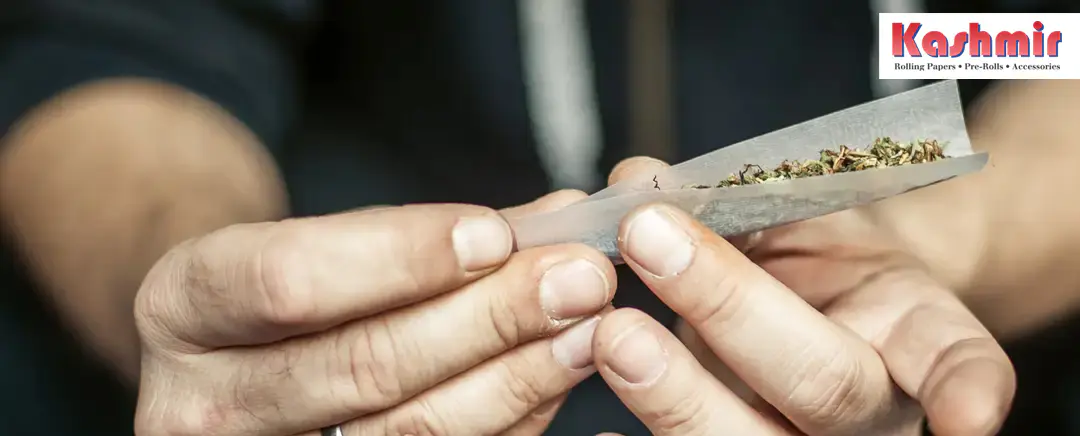
Myth #3: “You can use any thin paper — Bible paper, receipt paper, notebook pages — as a substitute.”
Fact: That’s risky and often straight-up dangerous.
Paper that’s not designed for smoking can contain:
- Printing inks
- Dyes and coatings
- Thermal chemicals like BPA or BPS in receipt paper
- Other additives that release toxic fumes when burned
Burning and inhaling those byproducts can expose you to chemicals that were never meant to be inhaled. Even general science and health sources are clear: smoking random paper is not a smart trade-off, and the risk depends heavily on how it was made.
There are specialty “smokeable receipt” style products made from tested wood pulp with food-grade ink — but those are engineered like rolling papers and lab-checked for combustion, not the same as the receipt from your grocery store.
If it wasn’t made to be smoked, don’t smoke it.
Appearance & Material Myths
Myth #4: “White rolling papers are cleaner because they look pure.”
Fact: White usually means bleached, not “pure.”
Many white papers get their color from a bleaching step. Traditionally, some paper products used chlorine-based bleaches, which can form unwanted compounds like dioxins during manufacturing or burning.
Modern, reputable rolling paper brands may use:
- Elemental chlorine-free or
- Oxygen / peroxide-based whitening methods,
which reduce those risks — but it’s not always clear unless the brand says so.
So:
- White ≠ automatically dangerous
- White ≠ automatically “clean” either
You have to look at how it was whitened and what additives are used.
Myth #5: “Brown (unbleached) papers are automatically healthier.”
Fact: Color alone doesn’t tell the full story.
Unbleached papers skip the whitening step, so you avoid some bleaching chemicals, which many people prefer.
But:
- Some “brown” or “natural” papers can still include additives, burn regulators, or dyes.
- You’re still burning paper, which means more particulates and gases in your lungs on top of whatever you’re smoking.
Unbleached can be a good sign, but it’s not a magic shield. Brand transparency and testing matter more than color.
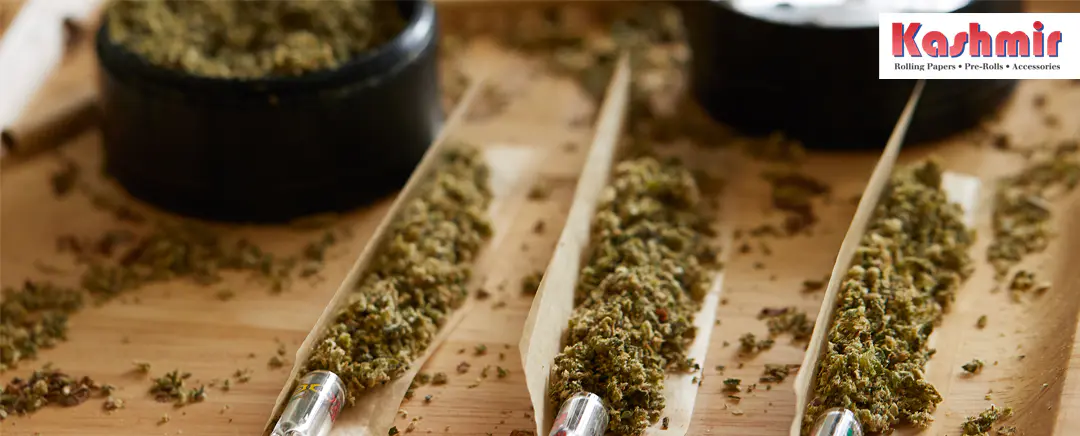
Myth #6: “‘Rice paper’ is actually made from rice.”
Fact: Often, it isn’t.
Many “rice” papers are really made from highly refined wood pulp or mixed plant fibers, designed to be ultra-thin and light, with a pale color that looks “rice-like.”Grasscity+2Smoke Cartel+2
Some niche brands may use rice or rice straw fibers, but in most cases “rice paper” is more of a marketing term for a style:
- Very thin
- Very light
- Less paper taste
Always check the packaging or brand site if the actual material matters to you.
Performance & Quality Myths
Myth #7: “Thinner papers are always better.”
Fact: Thinner papers are a trade-off, not a universal upgrade.
Pros of thin papers:
- Less paper smoke, so your herb or tobacco flavor stands out more
- Often a smoother, cleaner taste
Cons:
- Easier to tear while rolling
- Less forgiving for beginners
- Can canoe or run if rolled loosely
Thicker wood-pulp style papers are usually easier for new rollers and still perfectly usable — just a little more paper in your smoke.
The “best” thickness is whatever fits your skill level + what you’re smoking + how you roll.
Myth #8: “Brand doesn’t matter; they’re all the same.”
Fact: Brand and transparency matter a lot.
Reputable rolling paper brands typically:
- Disclose what their papers are made from (hemp, flax, rice-style pulp, etc.)
- Highlight if they’re unbleached, chlorine-free, or additive-free
- Avoid heavy metals, cheap dyes, or weird burn accelerants, and sometimes share lab tests
Cheap, unknown, or counterfeit papers may:
- Use lower-grade pulp
- Skip testing
- Add more fillers, chalks, colorants, or flavoring chemicals purely for looks or burn tricks
You’re literally setting these on fire and inhaling the results. Brand isn’t about hype — it’s about knowing what’s in your smoke.
Myth #9: “More expensive papers are automatically better.”
Fact: Price is only one signal — and an imperfect one.
- Mid-range, well-known brands that list their ingredients and manufacturing standards are usually a safe, solid choice.
- Very cheap, no-name packs may cut corners on materials and QA.
- High-end novelty papers (like gold leaf, super fancy prints, or extreme gimmicks) often charge for the look, not the performance — and sometimes burn worse than normal papers.
If you’re paying for something, make sure you’re paying for tested materials and a better experience, not just a flex.
Health & Safety Myths
Myth #10: “Unbleached papers are healthy — problem solved.”
Fact: “Less processed” doesn’t mean “healthy.”
Unbleached papers can reduce exposure to some bleaching byproducts, especially chlorine-based ones, and that’s a reasonable preference.
But:
- Smoking any paper releases gases and fine particles your lungs have to filter.
- Additives like dyes, calcium carbonate, or heavy flavorings can still show up in some brown or “natural” products.
Unbleached, additive-free papers from a transparent brand are generally a better choice among rolling papers, but they don’t turn smoking into a healthy habit.
Myth #11: “Burning rolling papers is what damages your lungs — the herb isn’t the issue.”
Fact: The entire cloud of smoke matters — plant + paper.
When you spark a joint, you’re burning:
- Plant material (cannabis, tobacco, or herbs)
- The rolling paper
- Any additives in both
Smoke from burning paper alone can contain a cocktail of particles and gases; add plant combustion to that and your lungs are dealing with even more work.
A few harm-reduction basics:
- Don’t hold smoke in your lungs longer “to get higher” — most absorption happens quickly.
- Give your lungs breaks between sessions.
- If you have respiratory issues, or if smoking is illegal where you live, look into legal, non-smoked options (edibles, oils, etc.) where permitted and talk to a medical professional if you’re worried about your lungs.
Culture & Use Myths
Myth #12: “Rolling papers are only for cannabis smokers.”
Fact: They’re used for tobacco and herbal blends too.
Rolling papers are just a way to hand-roll:
- Tobacco (including roll-your-own cigarettes)
- Legal herbal mixes like mint, damiana, mullein, lavender, etc.
- Cannabis where it’s legal
Some people like papers because they can control the blend, size, and strength instead of relying on pre-rolled products.
Legality always depends on where you live — know your local laws before rolling anything.
Myth #13: “Rolling papers are difficult to use, especially for beginners.”
Fact: There’s a learning curve — but the products have evolved.
Modern rolling options include:
- Slightly thicker, grippy papers that are easier to pinch and tuck
- Pre-gummed edges that seal with a light lick
- Pre-rolled cones you just pack and twist
Brands and content creators now publish tutorials, videos, and step-by-step visuals to help beginners roll more cleanly and avoid canoeing.
If free-handing a joint is frustrating, cones and rollers are your training wheels until you get the feel.
Myth #14: “Rolling papers are more expensive than pre-rolled joints or cigarettes.”
Fact: You usually pay extra for convenience with pre-rolls.
Pre-rolled joints or cigarettes often include:
- Labor and machine costs
- Packaging, branding, and retail markups
- Sometimes lower-grade filler material to keep margins up
When you buy rolling papers and fill them yourself, you:
- Control what goes inside
- Control the size and strength
- Often get more sessions per pack of papers than you would from pre-rolls at the same budget
The trade-off is time and effort. Financially, though, rolling your own is usually the more economical option if you’re buying decent flower or tobacco anyway.
How to Choose Smarter Rolling Papers
If you’re going to smoke, here’s how to make your papers the least sketchy part of the whole setup:
- Check the material: Look for hemp, flax, bamboo, or clearly labeled wood/rice-style pulp from known brands.
- Prefer unbleached or chlorine-free: Especially if you want to avoid chlorine-based bleaching processes.
- Avoid heavy dyes and obsessed with flavors: Bright colors and candy flavors often mean more synthetic additives.
- Look for transparency: Brands that talk openly about materials and testing are usually doing it for a reason.
- Match thickness to your skill level: Thinner for flavor once you’re confident, slightly thicker if you’re still learning.
- Respect your lungs: Less frequent sessions, smaller rolls, and not mixing with tobacco all matter more than paper choice alone.
Clearing the Smoke Around Rolling Paper Myths
Rolling papers don’t have to be mysterious. When you cut through the marketing and myths, you’re left with a simple reality:
- Materials, thickness, and additives do change the experience.
- Brand quality and transparency matter more than color or hype.
- No paper turns smoking into a health habit — it only makes the harm a little more controlled.
If you’re browsing rolling papers for Kashmir420, use these truths as a filter: look past the buzzwords, check what the papers are actually made from, and choose products that respect both your taste and your health as much as possible.
Discover more from Kashmir420
Subscribe to get the latest posts sent to your email.